
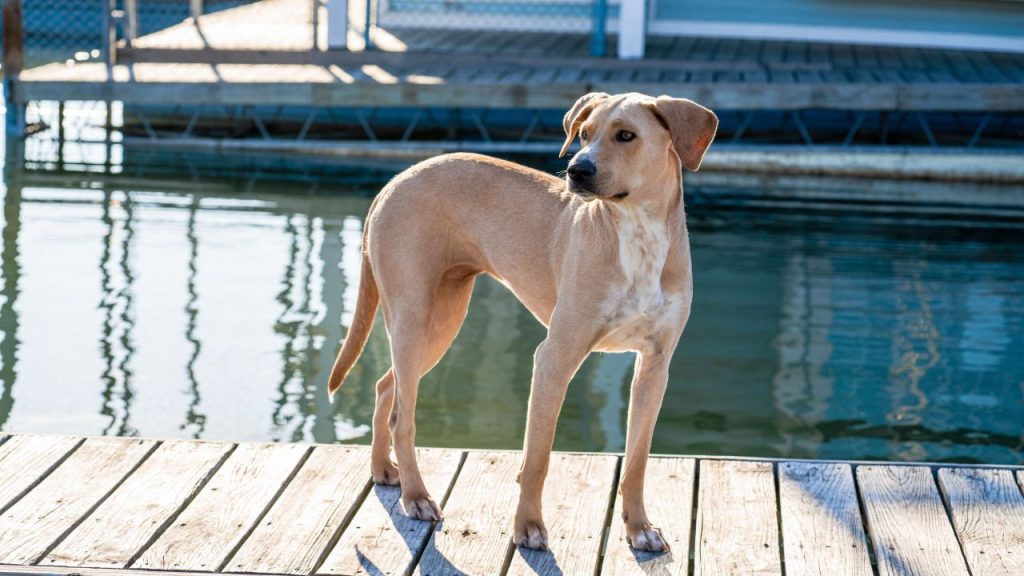
How to Recognize Early Changes in Your Dog’s Movement
Introduction Changes in your dog’s movement can begin quietly. Most dog owners are told to watch for limping. In reality, many dogs show changes long before they develop an obvious limp. Over the years, working with dogs in rehabilitation, I’ve noticed something interesting. In many cases, dogs are incredibly good at adapting. They often continue […]
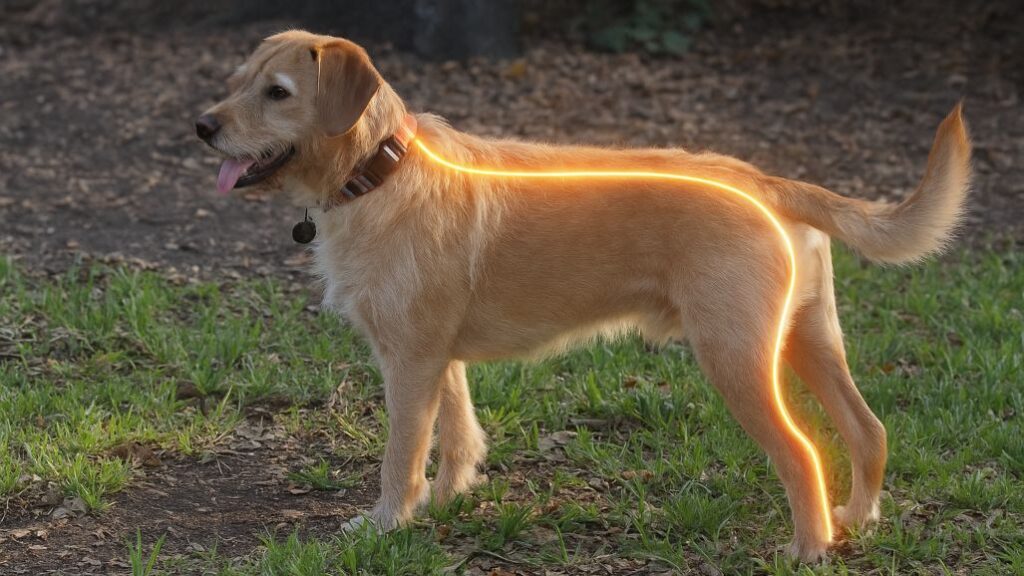
Pinched Nerves in Dogs – How to Deal With it
Many dogs develop subtle muscle loss or movement changes when a nerve becomes irritated or compressed. This blog post explains how pinched nerves in dogs can influence strength and mobility, and what owners can do to support their dog’s comfort.
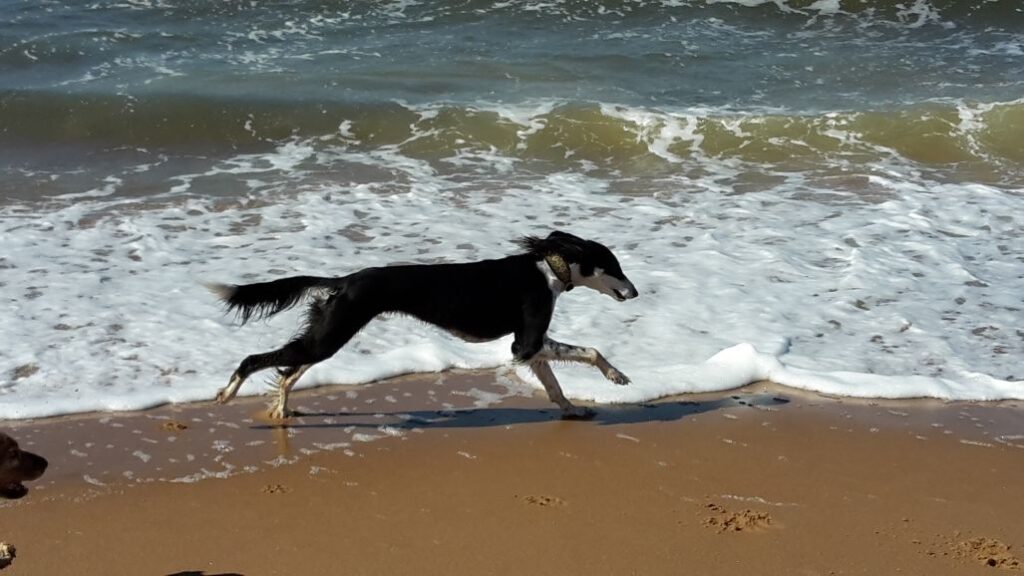
Weekend Warrior Dogs – How to Keep Yours Safe from Injury
Many dogs have calm weekdays and then go full speed on the weekend. It feels great to make it up to them — but sudden bursts of play can strain muscles and joints. Here’s how to keep your weekend warrior dog safe, strong, and ready for fun.
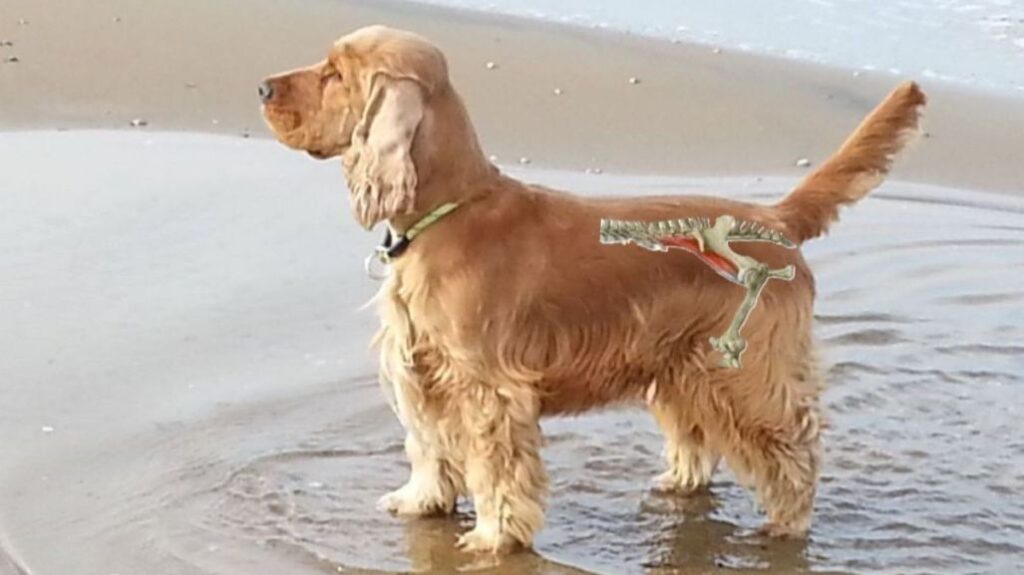
Canine Core Connection – The Big Forgotten Psoas Muscle
The dog psoas muscle is often called the big forgotten core connection. Hidden deep inside the body, it stabilizes the core and pelvis and is essential for your dog’s strength, balance, and smooth, natural movement.
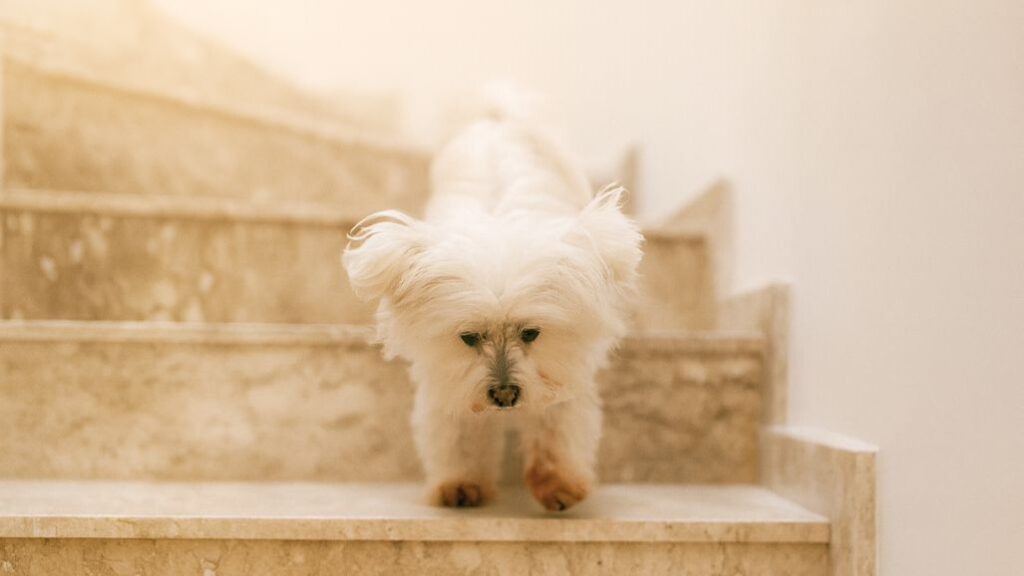
Stair Walking in Dogs – Understanding the Impact on Their Body
Walking down stairs or slopes might seem simple, but it’s a complex movement that challenges your dog’s coordination, balance, and joint control.
This article explains what studies reveal about stair descent and why awareness and common sense matter for every dog’s comfort.
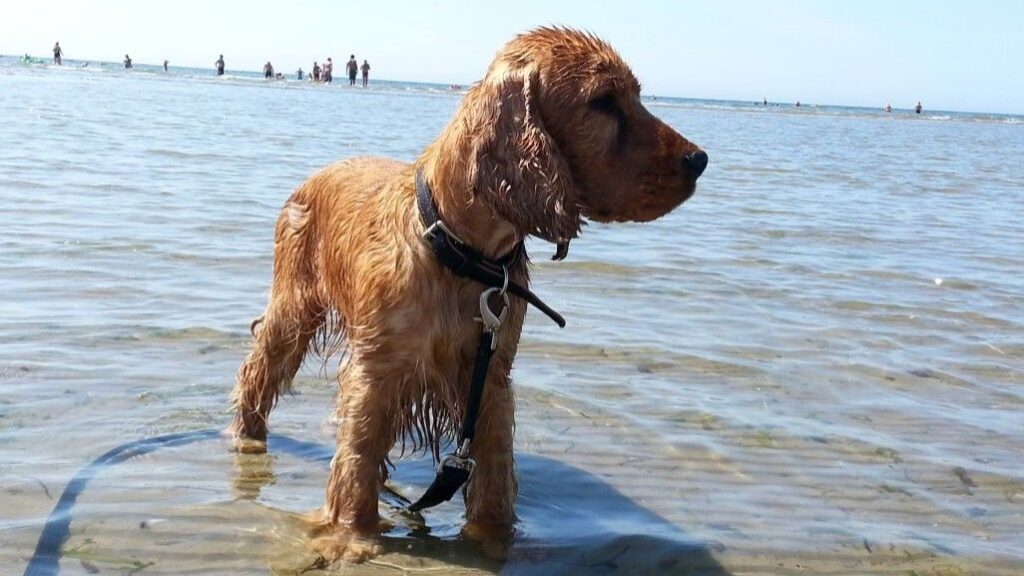
How Your Dog Keeps Its Balance – Simple Insights from Body to Motion
Dogs’ bodies are built for forward motion and balance. Learn how posture, muscle power, and shoulder control work together to keep every step smooth and stable.
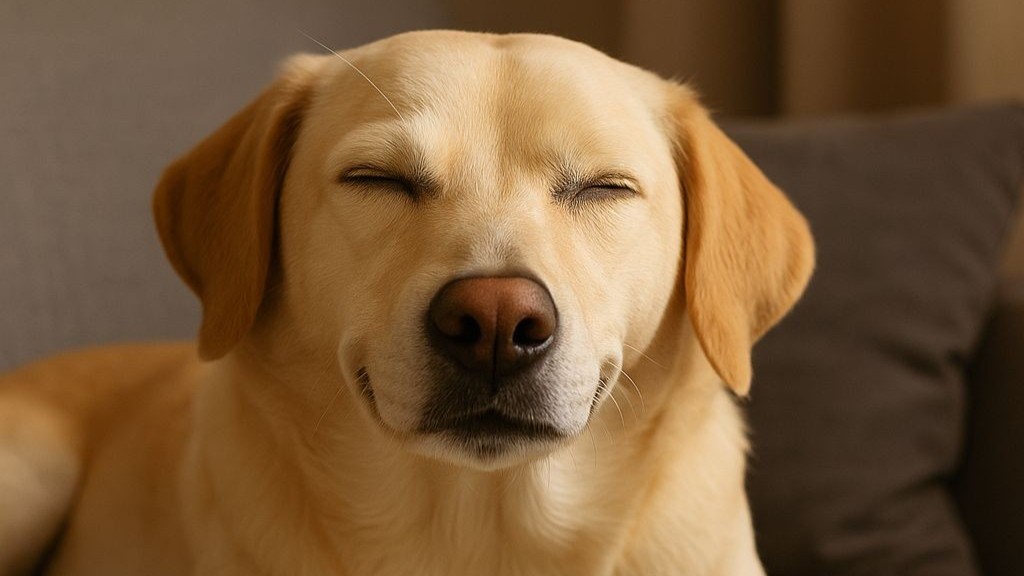
How to Calm Your Dog with Gentle Vagus Nerve Stimulation
Gentle vagus nerve stimulation can help your dog’s body relax and recover naturally. Learn how this calming nerve works, what science says about it, and how you can safely support your dog’s well-being at home.
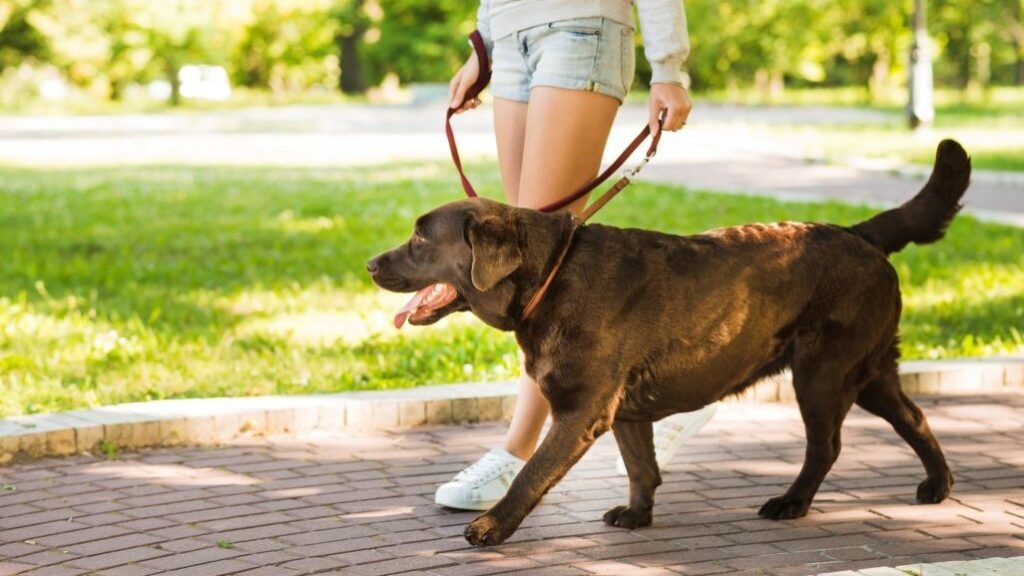
Dog Pacing – Hidden Signs Every Owner Should Know
Pacing might look harmless, but when a dog moves both legs on one side together, it can be a sign of stiffness, weakness, or even pain. Learning why dogs pace—and how to help them move more naturally—can make a real difference for their comfort and well-being.
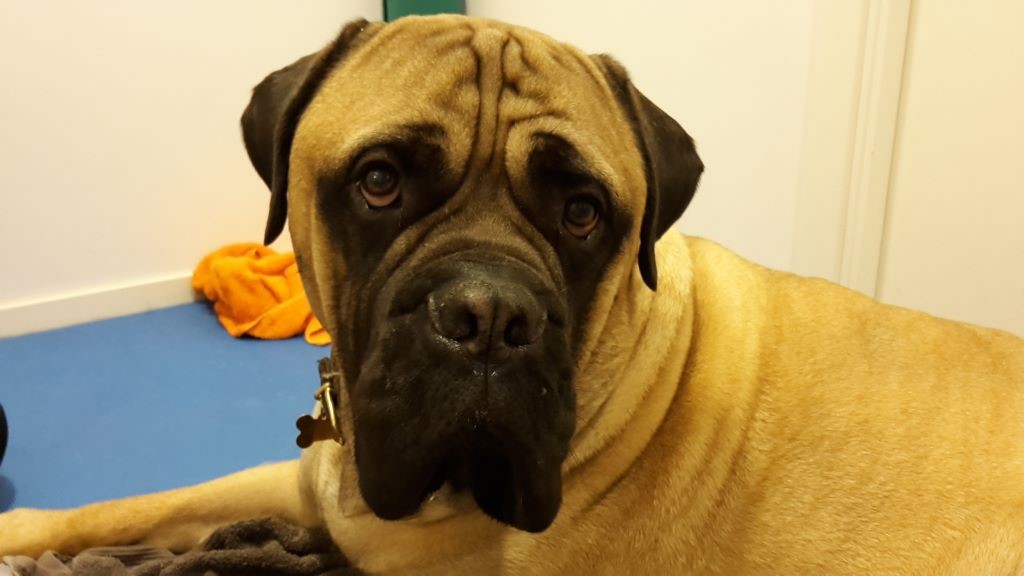
Rebuilding Mobility and Confidence in an Overweight Dog
Through focused balance and coordination exercises combined with gradual weight loss, Ralph slowly rebuilt his strength and found comfort in movement again.
Curious about his progress?