
Introduction
Start by Knowing What Is Normal
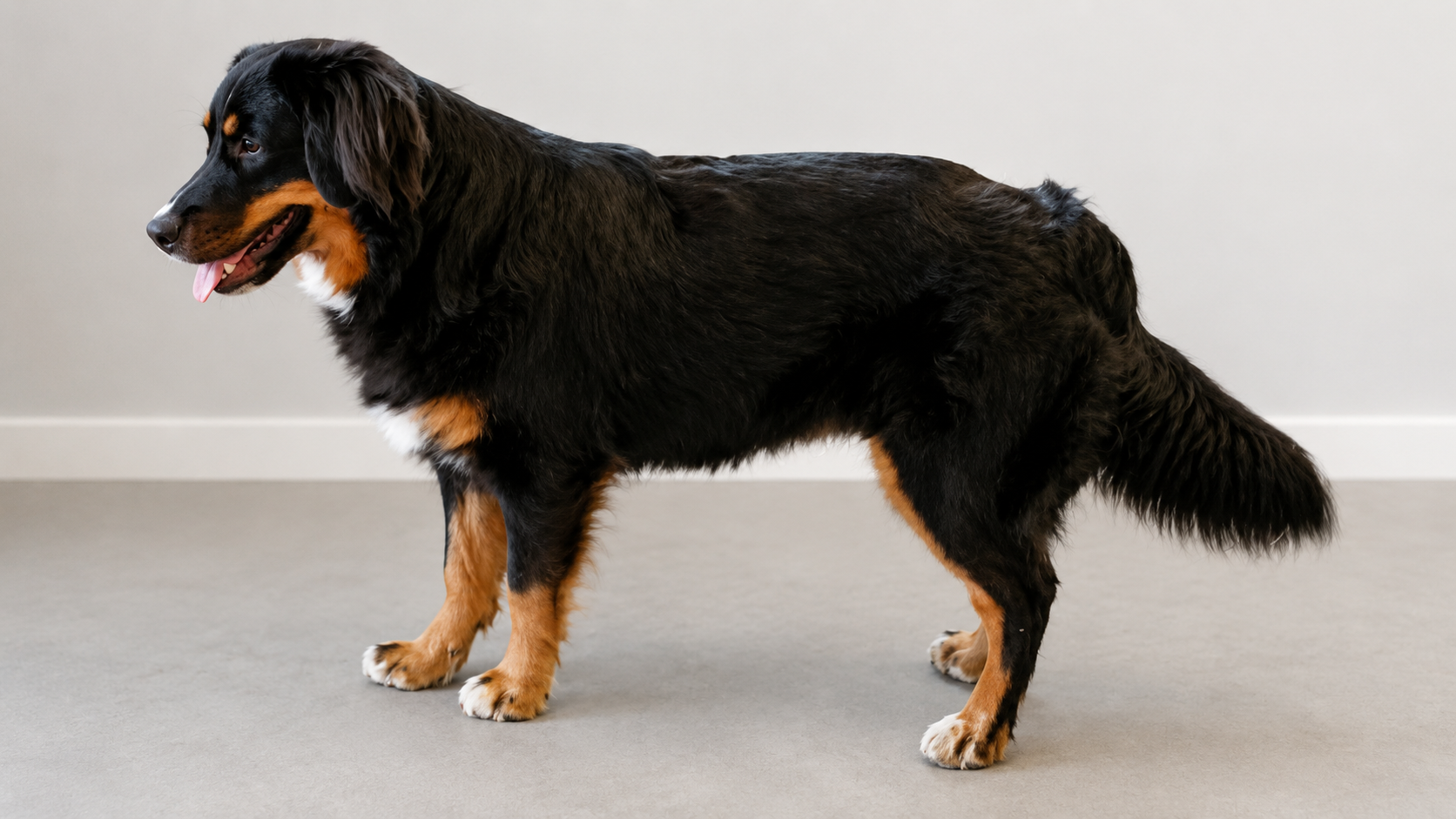
Before you can recognize change, you first need to know what is normal for your own dog.
I often call this your dog’s baseline.
A baseline is not perfect posture or perfect movement.
It is simply your dog’s usual way of standing, sitting, lying down, getting up, turning, and moving through everyday life.
After all, every dog is different.
Breed, age, body shape, previous injuries, fitness level, and individual habits all play a role.
The most useful comparison is often not between your dog and another dog.
It is between your dog today and your dog’s normal pattern.
Small Changes Matter
Many movement problems don’t start with dramatic signs.
Instead, they often begin with small changes that appear gradually.
Your dog may stand a little differently.
They may shift weight more to one side.
They may sit in a slightly different position.
They may hesitate during certain movements or avoid positions they previously used without thinking.
Of course, none of these things automatically means something is wrong.
But they can provide useful clues.
Look at the Whole Dog
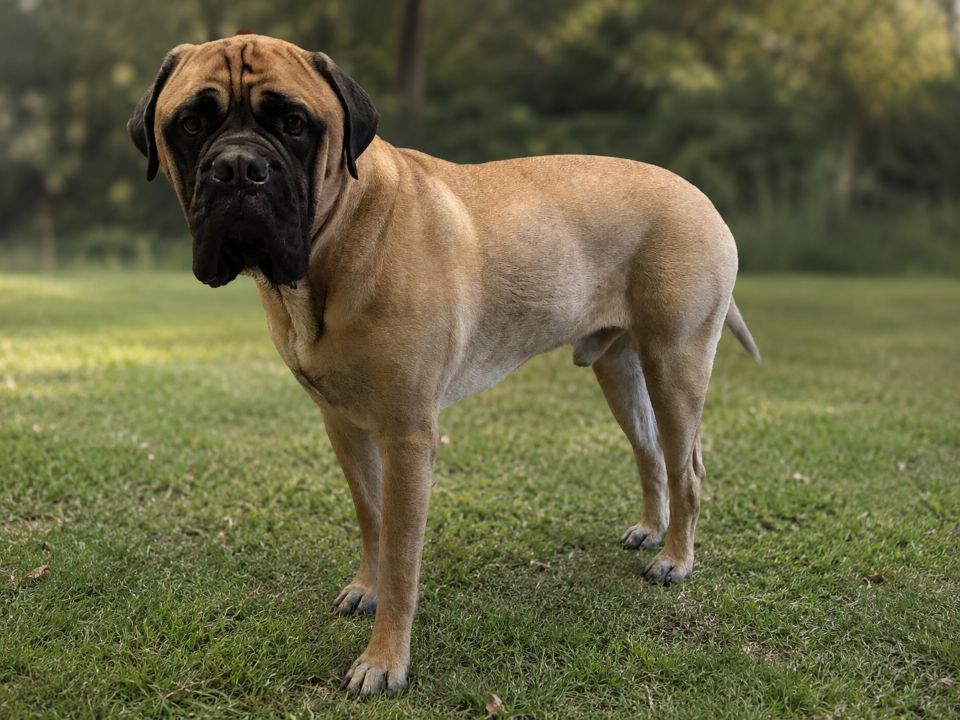
However, one of the biggest mistakes people make is focusing only on a single leg.
The body works as a connected system.
When one area becomes uncomfortable, weak, stiff, or less stable, another area often works harder to compensate.
That means the change you notice may not be where the original problem started.
This is one reason movement observation can be so valuable.
Three Simple Things to Watch
You do not need special equipment.
You can start by watching your dog during everyday activities.
1. Standing
How does your dog normally stand?
Do they look relaxed and balanced?
Do they tend to place their feet in the same positions?
Do they regularly shift weight from side to side?
2. Position Changes
Watch your dog getting up, sitting down, lying down, and turning.
These transitions often reveal more than people expect.
Does your dog move smoothly?
Do they seem equally comfortable in both directions?
3. Walking
Take a few minutes to watch your dog walking at a relaxed pace.
Does the movement look smooth and free?
Does one side appear to work differently from the other?
You do not need to analyze every step.
Simply begin noticing what you see.
Patterns Are More Important Than Single Moments
One unusual sit rarely tells us much.
One awkward step may not mean anything.
Instead, what matters more is repetition.
Do you keep seeing the same thing?
Does the same leg seem less involved?
Does your dog consistently stand in a particular way?
Repeated patterns are often more useful than isolated events.
Consider Filming Your Dog
A short video can be surprisingly helpful.
Movement happens quickly.
A small hesitation, shorter step, or change in posture can be easy to miss in real time.
This allows you to watch again, slow things down, and compare what you see over time.
You do not need a perfect video.
A few seconds of clear footage is often enough.
Most Dogs Adapt Before They Limp
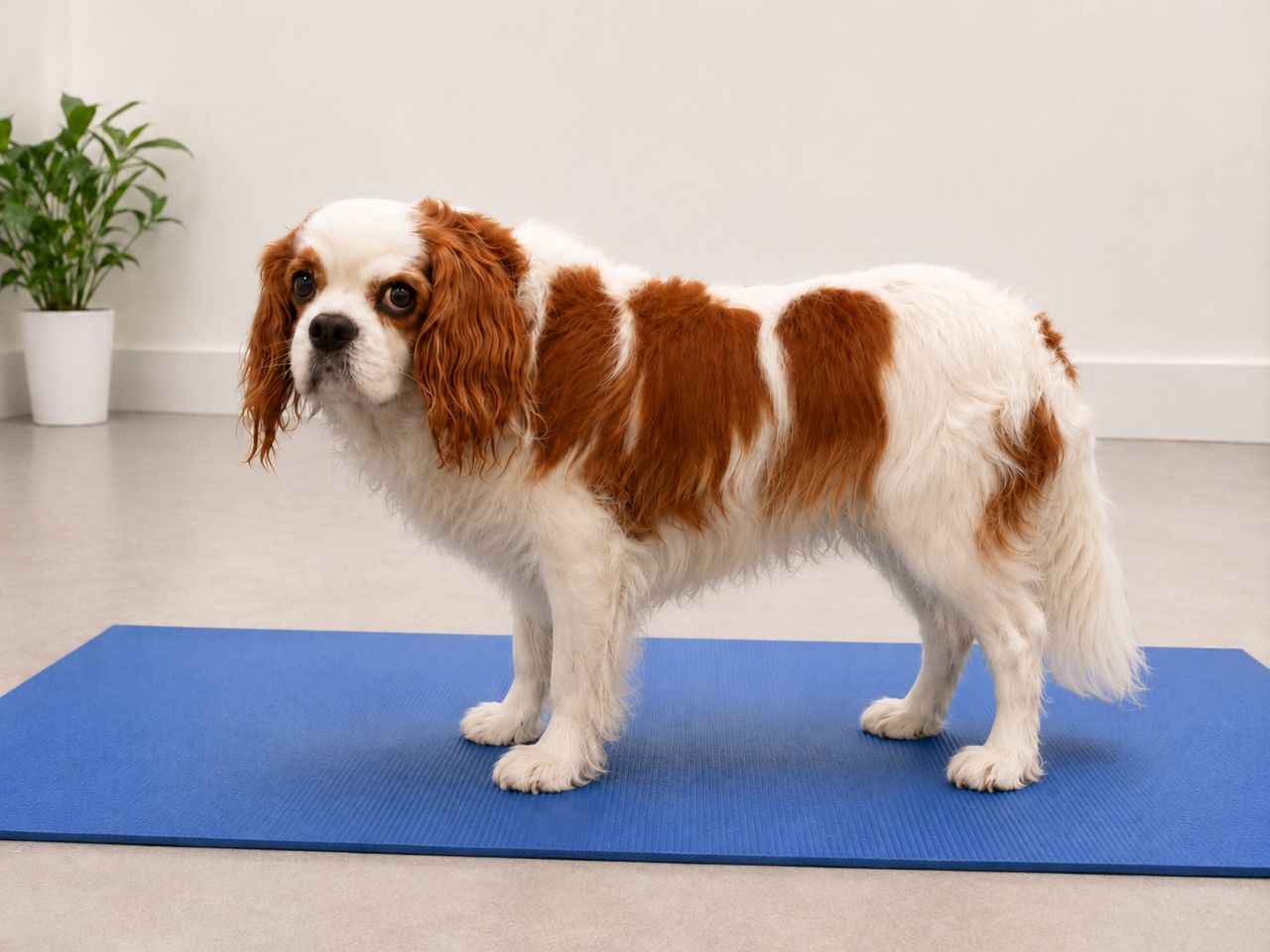
One of the biggest lessons dogs have taught me is that they rarely stop moving simply because something feels different.
More often, they adapt.
They find another way.
They shift weight.
They change posture.
They use one area more and another area less.
Often, these changes appear long before obvious limping.
Because of this, learning to observe movement can be so valuable.
Final Thoughts
You do not need to become an expert overnight.
Start by paying attention.
Watch your dog standing, sitting, getting up, turning, and walking.
Learn what is normal for your own dog.
The better you know your dog’s usual patterns, the easier it becomes to notice when something begins to change.
And sometimes those small changes can tell us more than we realize.
🐾 Does your dog really move normally?
Get your free visual guide: 3 simple things I always look at first — and what they can mean.
Start noticing small changes in posture and movement before they turn into bigger problems.